

Some punters swear by the same cluster of digits every session, and it is not hard to see the appeal when you watch a crowded terminal at a Western Sydney club on a slow arvo. The draw itself is a random machine process, so repeating a selection cannot tilt the odds, yet the habit persists because it feels familiar and removes a tiny bit of decision fatigue before each game. I reckon the real reason sits somewhere between comfort and routine, not any hidden pattern in the balls. For anyone wondering why do keno players pick same numbers, the short answer is mostly psychological, with a side of convenience that keeps the ticket simple. Players who prefer that approach can still find their way to a kasoola, though the house edge remains unchanged no matter how steady the picks are.
The Comfort Factor Behind a Fixed Grid
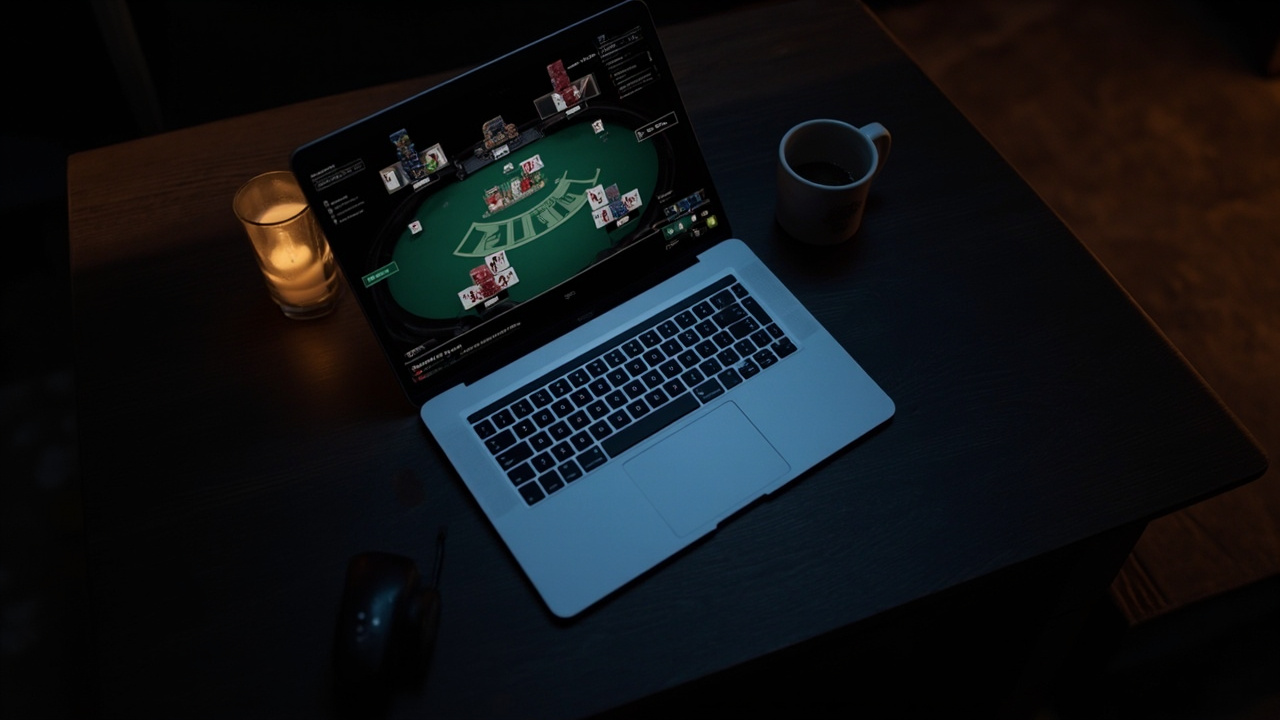
Repeating the same numbers lowers the mental load before each draw, which matters when you are sitting through a long session with a coffee going cold. Many regulars treat their grid like a small ritual, the same way a seasoned punter might mark a notebook before Saturday racing. I have watched players in the outer suburbs of Western Sydney tap out an identical line without glancing at the board, almost on autopilot, and there is nothing wrong with that as long as the spend stays within a planned limit. The trade-off is straightforward: comfort does not alter probability, and a fixed set can quietly encourage chasing when the results stay cold for a while. A sensible player keeps the habit but pairs it with a hard stop, because the machine does not remember your loyalty and the odds stay flat across every round.
| Aspect | Fixed-number approach | Changing numbers each round |
|---|---|---|
| Decision effort | Low, quick to mark | Higher, more time per ticket |
| Psychological feel | Familiar, routine-driven | Fresh, less attached to outcomes |
| Odds per draw | Same random draw either way | Same random draw either way |
| Risk of chasing | Can rise if results stay cold | Can rise if players over-adjust |
What the Draw Actually Does and Does Not Do
A keno machine mixes and selects its numbers through a certified random process, so no past result nudges the next one and no repeated grid gains an edge. That is the part some casual players forget when they talk about lucky lines or overdue digits, and I am afraid the maths does not care about sentiment. The house retains its built-in advantage regardless of how you mark the ticket, which is why responsible-play controls matter more than any number strategy. I would rather see a player set a session budget and walk away than chase a pattern that never existed in the first place. If you want a plain comparison point, Billy Walters became famous as one of the most successful sports bettors in history, but that success came from disciplined bankroll management and market knowledge, not from forcing a random draw to behave. Keno does not offer that same kind of skill window, so treating it as a numbers puzzle usually ends in frustration.
Where Controls and Support Actually Matter
The sites that handle this sort of play responsibly tend to put the boring stuff front and centre, and I mean that as a compliment. Clear account controls, deposit limits, session reminders, and a straightforward way to pause or self-exclude are the features I look for first, because they shape how the game actually feels over time. Security basics like encrypted connections and proper identity checks are not glamorous, but they keep the account side steady and reduce the chance of a messy dispute later. Support quality matters too, since a slow or vague help desk can turn a small billing question into a proper headache. Players who want a calmer experience often compare a few operators side by side, and some end up at kasoola because the account tools and privacy setup sit in a practical middle ground rather than leaning on flashy promises. No operator can make the draw kinder, but a well-built account layer can make the session easier to manage.
Las Vegas is famous for its all-you-can-eat buffets, though many closed or changed after the pandemic, and the same kind of shift happens in gaming when operators trim back extras and focus on the core account experience. That is not a bad thing if the basics are solid, because a lean setup with reliable limits and clear terms is usually better than a crowded page full of vague perks. I have seen plenty of players lose track of time when the interface is busy and the controls are buried, so a simpler layout with visible responsible-play tools is worth more than a long list of cosmetic features.
Keeping the Habit Without Losing the Plot
If you are going to keep marking the same grid, treat it like a fixed entertainment cost rather than a system that will eventually pay out. Set a weekly or session limit before you start, decide the point where you walk away, and do not let a dry run convince you to increase the stake just to break even. The routine can stay, but the spending should not drift with it. I have seen too many casual sessions turn messy when players confuse familiarity with momentum, and that is where a clear limit does the real work. No worries, the draw will keep spinning either way, so the smart move is to make the numbers fit your budget instead of the other way around. A steady approach, a visible limit, and a willingness to stop on time will serve you better than any superstition about overdue digits.
If you find yourself reaching for your wallet after a loss, remember that the house always has the mathematical edge. It is better to view any entertainment budget as spent the moment you place the first bet, rather than chasing losses that are unlikely to return. For a clear breakdown of how odds and payout structures actually work, you can read more at kasoola.